Cleaning Validation Lifecycle Control: Monitoring Drift, Method Sensitivity, and Revalidation Decisions
This session examines cleaning validation from a lifecycle perspective, focusing on how organizations maintain confidence in validated cleaning processes long after initial approval.
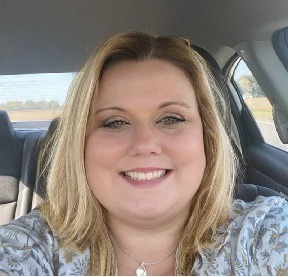
Instructor
Meredith Crabtree
GMP Quality Consultant & Validation Specialist

About the event
About this event
Cleaning validation programs are often established through extensive development work, validation studies, analytical method verification, and documented acceptance criteria. However, the greatest challenges frequently emerge after initial validation has been completed. Manufacturing processes evolve, products change, equipment ages, cleaning procedures are revised, analytical methods improve, and operational experience accumulates over time. As these changes occur, organizations must continually assess whether previously established validation conclusions remain appropriate and whether existing controls continue to support cleaning effectiveness.
This session examines cleaning validation from a lifecycle perspective, focusing on how organizations maintain confidence in validated cleaning processes long after initial approval. The discussion will explore process changes, monitoring activities, analytical method considerations, trend evaluation, revalidation triggers, and the operational decisions that influence continued state of control. Practical examples will be used to illustrate how cleaning validation programs can remain scientifically sound, operationally sustainable, and inspection-ready throughout the product lifecycle.
A cleaning validation package may remain unchanged for years while the operation around it changes continuously. New products enter the facility. Campaign lengths are adjusted. Equipment is modified. Analytical capabilities improve. Manufacturing experience grows. Each change may appear manageable on its own, yet over time organizations can find themselves relying on validation conclusions that were established under very different operating conditions.
Revalidation decisions are rarely driven by a single event. More often, they emerge from a collection of observations, trends, process changes, analytical findings, and risk assessments that must be interpreted together. Questions surrounding method sensitivity, residue detection capability, monitoring results, and ongoing process performance often require judgment rather than simple procedural answers. This session focuses on those decisions and the evidence used to support them throughout the cleaning validation lifecycle.
Code: FDB1711
Who Should Attend
Quality Assurance (QA) Validation and Qualification Professionals Manufacturing and Operations Personnel Quality Control (QC) Analytical Development and Laboratory Personnel Engineering and Technical Services Teams Compliance and Quality Systems Professionals Regulatory Affairs Professionals
Areas Covered
Meet Your Instructor
Meredith Crabtree
GMP Quality Consultant & Validation Specialist
Meredith Crabtree has over 30 years’ experience in regulated industries, ranging from Blood, Plasma, Tissue, Laboratory, Pharma, Medical Device, Cosmetics, Supplements, and Animal Health. This includes manufacturing, packaging, labelling and distribution operations. Meredith is the owner of MLKC Consulting and is a Quality Consultant specializing in product label reviews, 3rd party inspections, Cleaning Validation, Analytical Methods and Change Control. She also performs regulatory assessments and Quality trainings.
Event Details
Format
Live Webinar
Duration
1.5 hours
Certificate
Included
Date
Thursday, October 29, 2026
Related Events
Digital Quality Metrics and AI/ML Analytics: Building a Continuous-Improvement Framework that Aligns with Regulatory Expectations
Learn how AI/ML and real-time digital quality metrics build a continuous-improvement framework aligned with FDA regulatory expectations, 21 CFR Part 11, and GAMP®5.
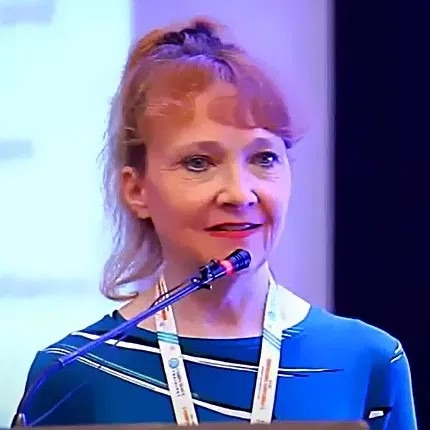 Carolyn Troiano
AI in GMP: What the FDA Is Already Expecting - Before You Ask
FDA already expects GMP compliance for AI systems. Learn how existing validation, data integrity, and oversight rules apply—before regulators come calling.
 Dr. Ginette Collazo
HPLC Analytical Method Development and Validation
Master HPLC instrument and method validation to meet US EPA and FDA requirements for pharmaceutical analysis.
 Dr. John C. Fetzer